By James Murray-Hodcroft | The Hodlines | 19th February 2026
For almost ten years, a fabricated claim that UK councils are creating “dog-free zones” to appease Muslims has periodically resurfaced online. It began life as a crudely designed Facebook flyer in 2016. It has since mutated, migrated platforms, and been repackaged by anonymous and overtly ideological accounts.
This week, it reached one of Britain’s most recognisable comedians.
The Cleese Posts
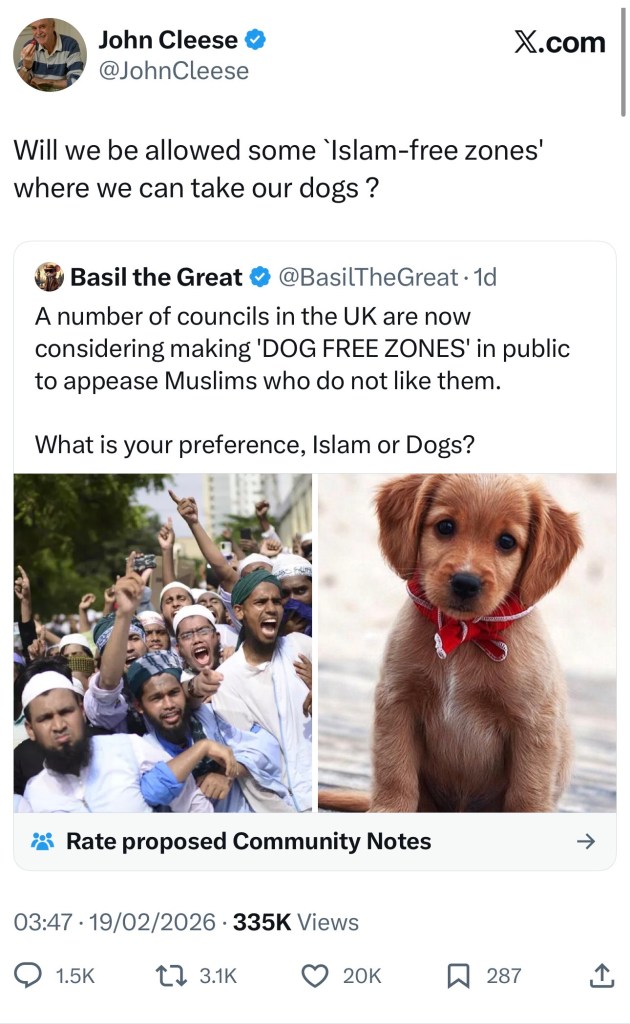
John Cleese, posting from his verified X account, shared a claim suggesting councils were considering dog-free public spaces “to appease Muslims,” asking whether there would be “Islam-free zones” in response. In a follow-up post, he amplified a tweet asserting that Muslims were “calling for a ban on dogs in the UK.”
The source he shared was an account known as “Basil the Great,” an X profile that has repeatedly posted inflammatory anti-Muslim content. The original claim stated:
A number of councils in the UK are now considering making ‘DOG FREE ZONES’ in public to appease Muslims who do not like them.”
It concluded with a binary provocation: “What is your preference, Islam or Dogs?”
The framing is textbook rage-bait; a forced cultural choice designed to inflame, not inform.
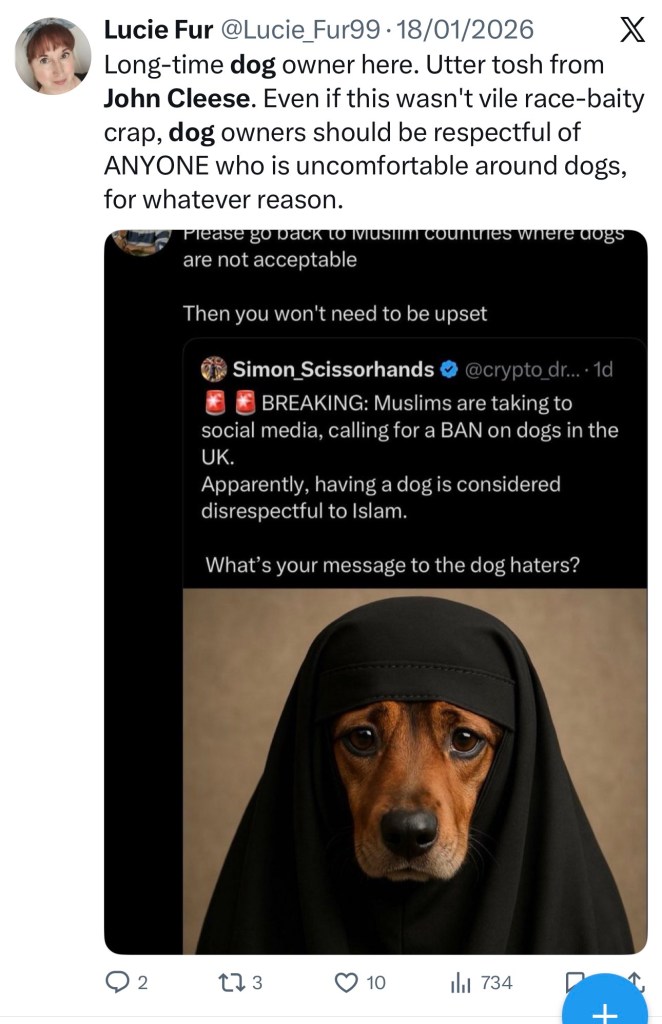
Among the responses to Cleese’s posts were comments describing the claim as “utter tosh,” accusing him of amplifying race-baiting content, and urging dog owners simply to respect people who are uncomfortable around animals; for whatever reason. Others expressed disappointment that a figure associated with satire and absurdism appeared to have accepted a social media claim at face value.
The Origin: A 2016 Facebook Flyer
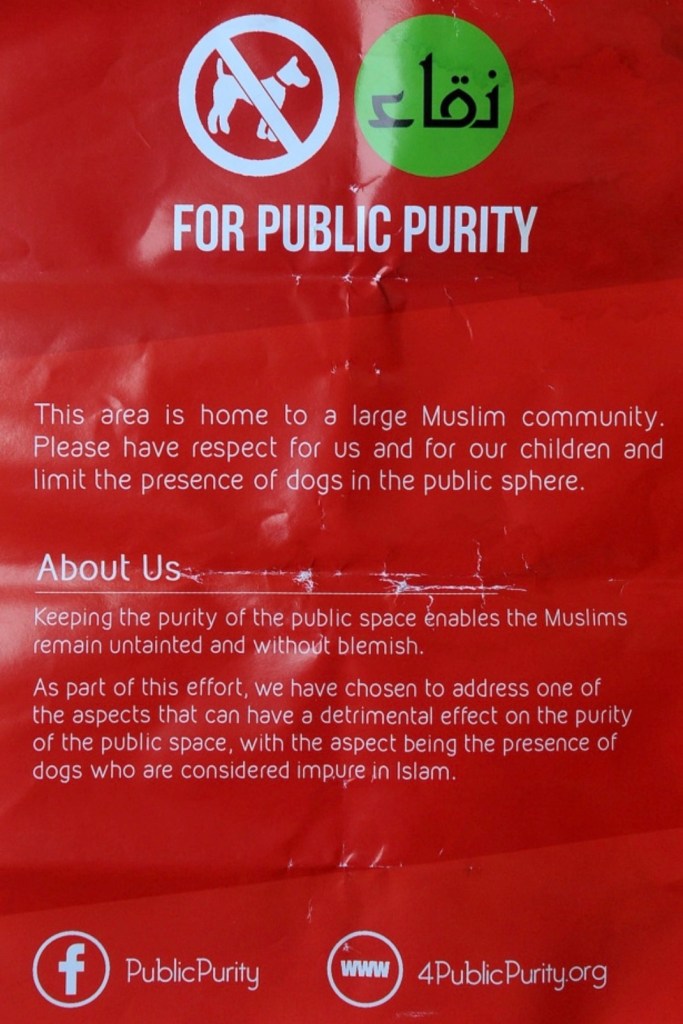
The claim can be traced back to 2016, when a widely shared Facebook post featured a poorly formatted flyer alleging that councils were planning to restrict dogs in public areas at the request of Muslim residents.
At the time, fact-checking organisations including Full Fact and regional newspapers investigated similar viral claims and found no evidence of any such council policy motivated by religion. Variations of the hoax circulated in different towns; the location changed, but the narrative structure remained identical:
- A claim that Muslims had “complained” about dogs.
- An allegation that councils were capitulating.
- An appeal to defend “British values” and dog ownership.
Several local newspapers reported on the false claims between 2016 and 2018, often after residents contacted councils in outrage. In each instance, councils denied the allegations outright.
The story periodically re-emerged during heightened political moments: Brexit debates, migration discussions, and more recently amid polarised discourse about free speech and cultural identity.
Recycling the Hoax: 2016–2026
Between 2016 and today, the narrative has been revived multiple times. Its mechanics are consistent:
- A local authority is named (often inaccurately).
- A claim appears that “Muslims have demanded” dog bans.
- The post spreads via Facebook groups or X accounts known for anti-immigration content.
- Councils issue denials.
- The correction spreads far less widely than the original claim.
The structure mirrors what media scholars describe as “iterative misinformation”: a lie that does not need to evolve, only to be repeated in new contexts.
Notably, the account amplified by Cleese has a record of posting inflammatory, anti-Muslim material framed as news. The binary “Islam or Dogs?” framing is designed to activate identity-based outrage.
Direct Council Responses
For this investigation, I contacted three councils that have been targeted by this claim over the past decade, including the most recent authority cited in viral posts.
All three confirmed, unequivocally:
- There are no plans to introduce “dog-free zones” to appease Muslims.
- No such requests from Muslim groups have been recorded.
- Religion has never been a policy consideration in any dog-related public space restrictions.
One female councillor, who asked not to be named due to the aggressive tone of public reactions, explained:
We are considering restricting dogs in a very specific area of the borough, because there have been so many complaints about irresponsible dog owners leaving their dogs’ faeces in the grass. It’s a family area, and lots of children go there. Bins are being filled with poo-bags faster than they can be emptied, and mess is being left near play equipment. It is nothing to do with any religious group; in fact, that’s never been a consideration and, to my knowledge, we have never had a request from anyone from one of those religious groups.”
She continued:
Given the unnecessary political climate right now, this is very distressing and clearly designed to cause anger and intolerance. Us Brits love our dogs, so they (whoever is behind the campaign) know we’ll defend them.”
Her account aligns with documented local authority practice across the UK: dog control orders and Public Spaces Protection Orders are typically introduced in response to littering, fouling, or safety concerns: not religious pressure.
The Psychology of the Big Lie
There is an uncomfortable irony here.
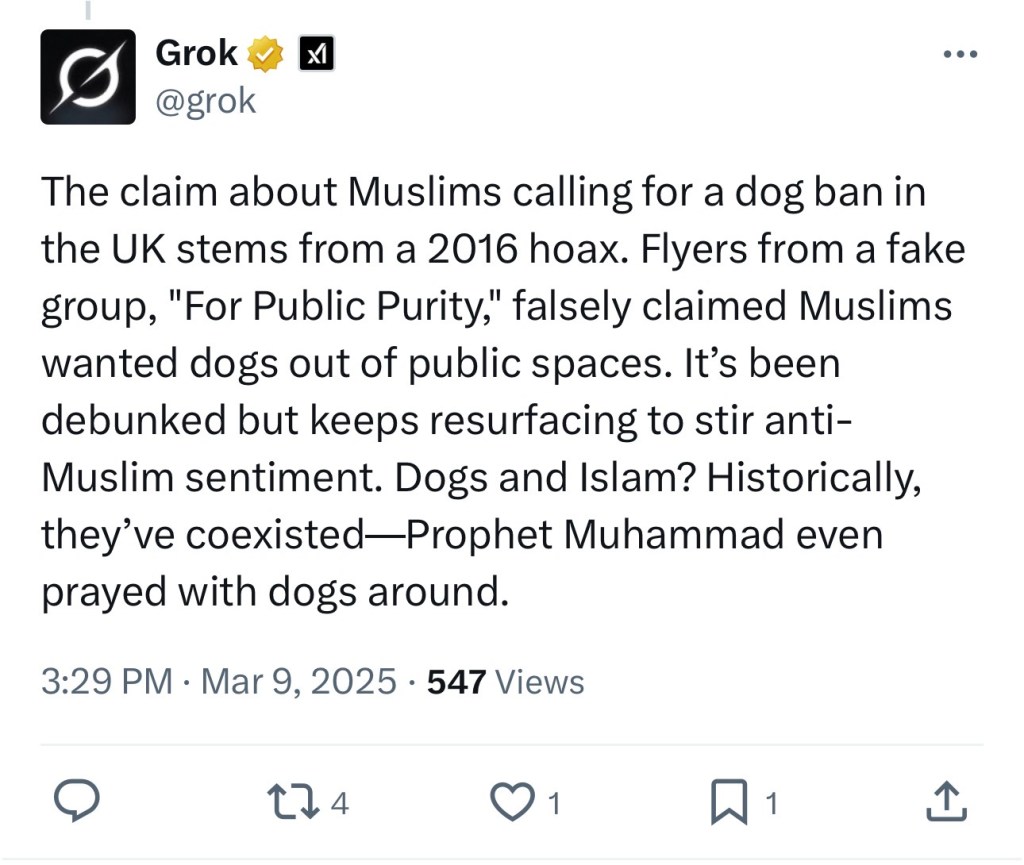
Cleese’s original post framed belief in the hoax as evidence of stupidity. Yet misinformation research repeatedly demonstrates that susceptibility to propaganda is not primarily about intelligence. It is about repetition, emotional salience, and social identity cues.
The tactic echoes a principle often attributed to Joseph Goebbels: that if you tell a lie big enough and keep repeating it, people will eventually come to believe
 The Hodlines: Investigative Journalism